
Compare countertop espresso, portable heating cups, and 12V/24V car kettles to plan an electric drinkware assortment for B2B markets.
Electric drinkware is no longer limited to a single setting. Buyers can now address countertop coffee preparation, portable hot-water needs, and in-vehicle use with products designed around different power sources. This creates practical opportunities for importers, distributors, private-label brands, and project suppliers serving several customer groups.
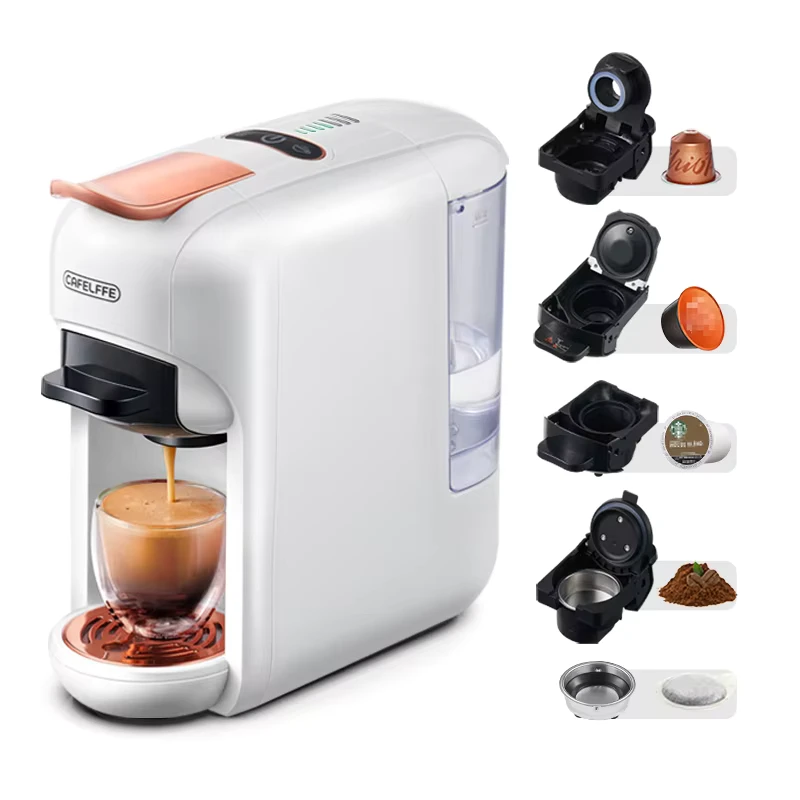
Match the appliance to the power environment
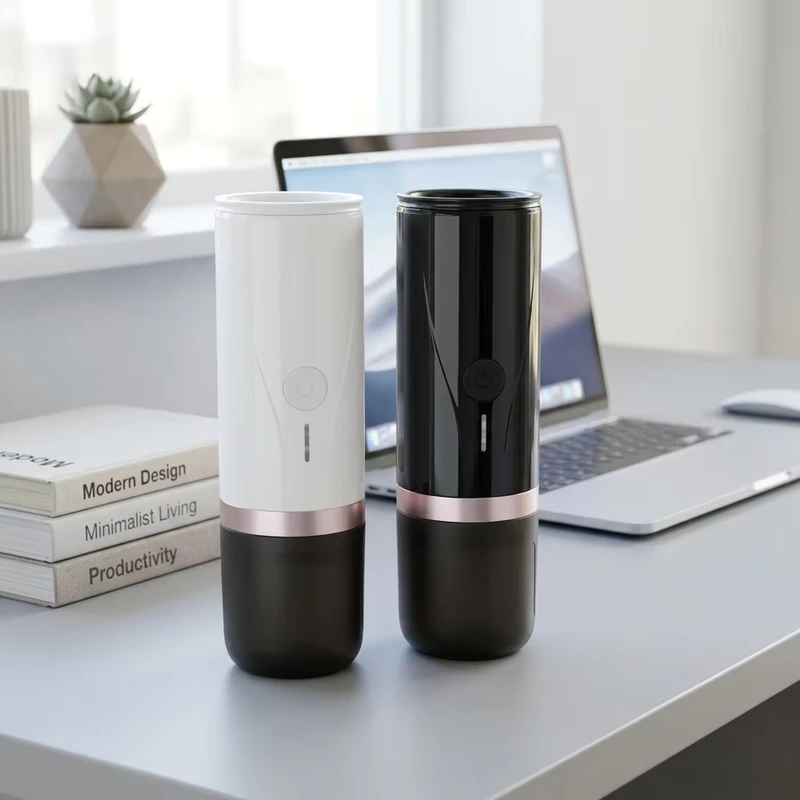
For hotels, offices, restaurants, and households, the 20-bar espresso maker offers a compact countertop format. It combines 1450W power, a 0.6-liter water tank, hot and cold brewing, and support for multiple capsule formats. Its semi-automatic operation can appeal to markets seeking convenient beverage preparation without a full-size commercial machine.
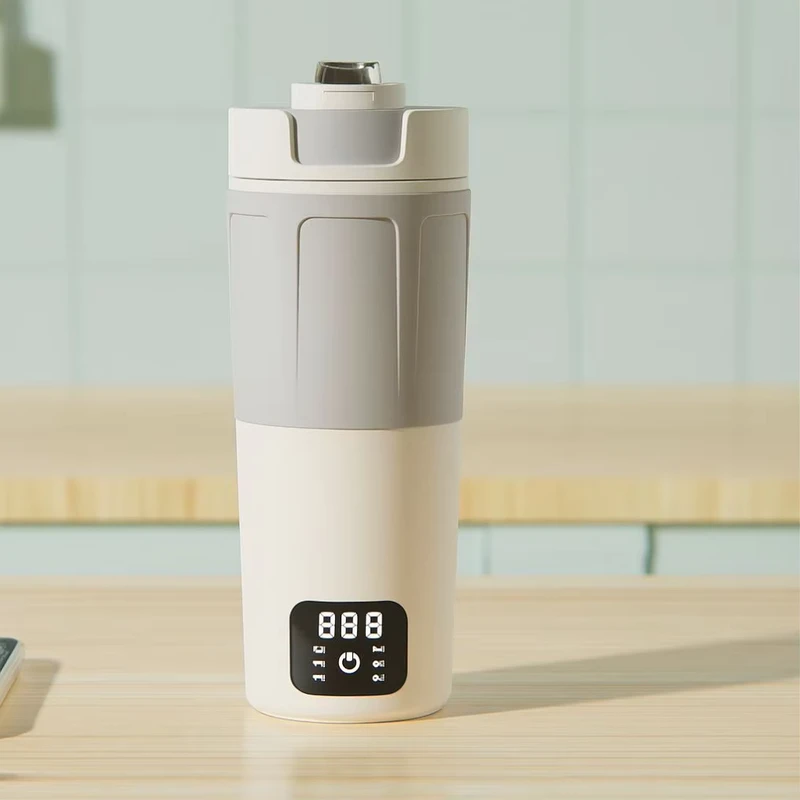
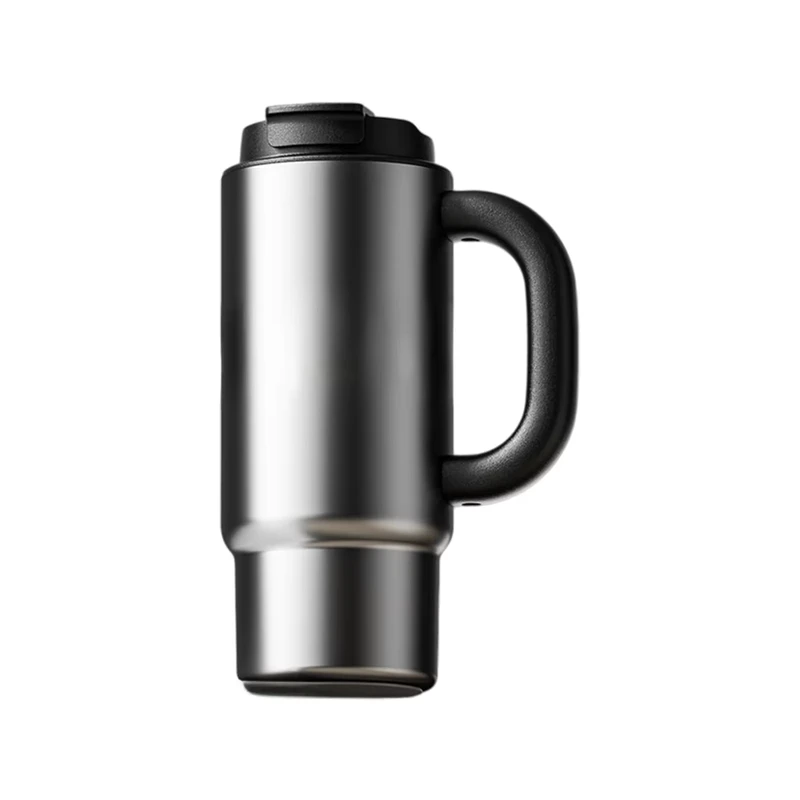
The portable heating cup serves a different routine. Stainless steel construction, double-wall insulation, a lid, direct drinking, temperature display, and temperature control make it relevant for commuting, offices, kitchens, and outdoor use. For buyers, it can fit travel appliance, lifestyle drinkware, or compact homeware collections.
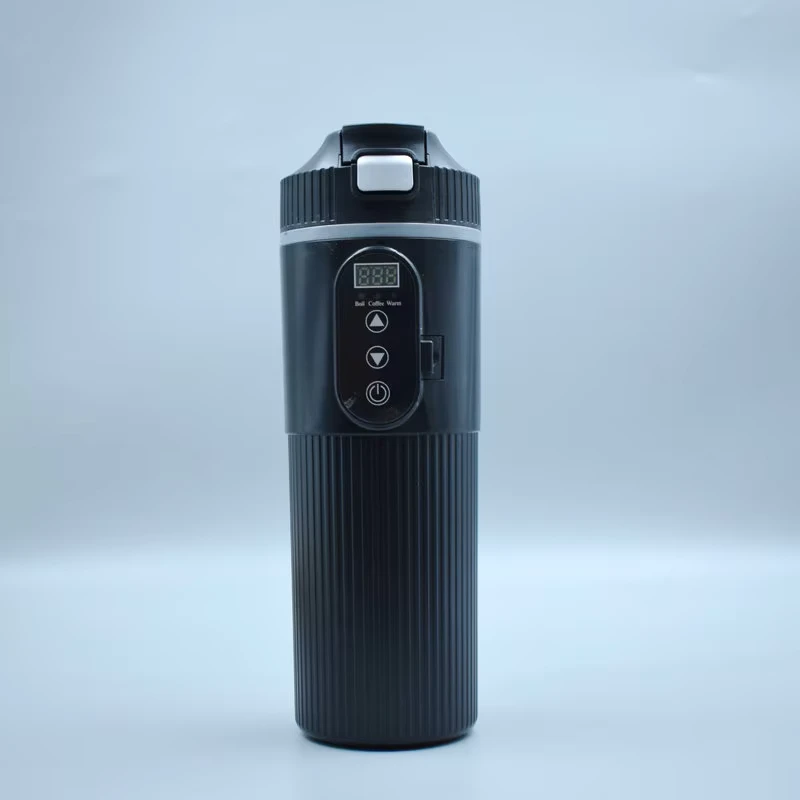
Drivers and fleet users require a dedicated power solution. The car electric kettle connects through a cigarette-lighter outlet and supports both 12V and 24V systems. Its 500mL capacity, touch-screen control, insulated design, and PP plus food-grade stainless steel construction suit cars, trucks, and road-trip accessory ranges.
Plan the range around real buying conditions
Before ordering, procurement teams should confirm destination-market voltage, plug requirements, packaging, labeling, target certifications, and preferred branding. Vehicle compatibility deserves separate verification because passenger cars and commercial trucks may use different electrical systems.
Together, these products form a focused electric beverage range built around where customers prepare their drinks. Contact us to discuss specifications, customization, packaging, samples, and volume purchasing requirements.